Starting Strong: A Legal Roadmap for Expats Launching Businesses in the UK

The United Kingdom has long been a magnet for entrepreneurs, offering a dynamic market, a robust legal framework, and access to global talent. For expats looking to tap into this potential, understanding the legal requirements is the crucial first step. While the process might seem daunting at first, breaking it down makes it much more manageable. This guide will walk you through the key legal considerations to help you establish your business successfully in the UK.
Navigating UK Immigration for Entrepreneurs
One of the most critical aspects for any expat entrepreneur is securing the correct immigration status. The UK offers specific visa routes designed for individuals who wish to set up or run a business.


Understanding Visa Options
The most common visa for expat entrepreneurs is the Innovator Founder Visa. This route is for experienced businesspeople seeking to set up an innovative, viable, and scalable business in the UK. Key requirements often include:
- An endorsement from an approved endorsing body.
- A business plan that is innovative, viable, and scalable.
- Meeting English language requirements.
- Sufficient funds to support yourself.
Another option might be the Scale-up Visa if your business already has a track record of rapid growth. It’s always advisable to consult with an immigration lawyer to determine the best visa route for your specific circumstances.

Deciding on Your Business Structure
The legal structure of your business dictates everything from liability to taxation. Choosing wisely is vital.
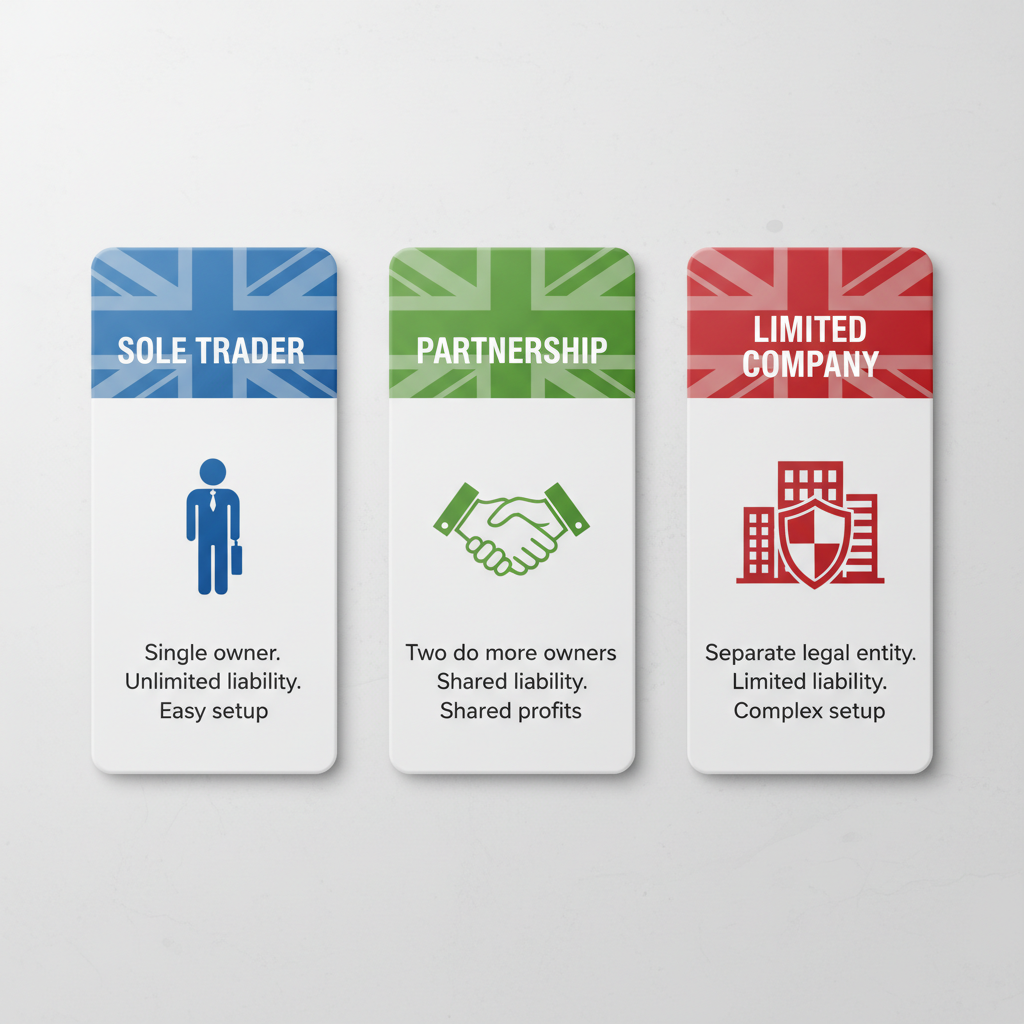
Sole Trader, Partnership, or Limited Company?
- Sole Trader: This is the simplest structure, where you are personally responsible for all business debts. It’s easy to set up but offers no legal separation between you and your business.
- Partnership: Suitable if you’re going into business with one or more people. Partners share profits and are personally responsible for the business’s debts.
- Limited Company (Ltd.): This is a separate legal entity from its owners (shareholders). It offers limited liability, meaning your personal assets are protected if the business incurs debts. This is often the preferred choice for many growing businesses due to its credibility and tax efficiency options, though it involves more administrative responsibilities.
Each structure has different implications for tax, administration, and liability. Consider your business size, growth plans, and risk tolerance when making this decision.
Registering Your Business Officially
Once you’ve chosen your structure, you’ll need to register your business with the appropriate authorities.
- Companies House: If you choose to set up a limited company, you must register it with Companies House. This officially incorporates your business and makes it a legal entity.
- HMRC (HM Revenue & Customs): Regardless of your structure, you’ll need to register with HMRC for tax purposes. Sole traders and partnerships register for Self Assessment, while limited companies register for Corporation Tax.
Understanding UK Taxation for Businesses
The UK tax system can be complex, but a basic understanding of the key taxes is essential.
The Basics of VAT, Corporation Tax, and Income Tax
- Corporation Tax: Limited companies pay Corporation Tax on their profits.
- Income Tax: Sole traders and partners pay Income Tax on their business profits through Self Assessment.
- VAT (Value Added Tax): If your business’s taxable turnover exceeds the VAT threshold (which changes annually), you must register for VAT. This involves charging VAT on your sales and reclaiming VAT on your purchases.
- National Insurance Contributions (NICs): Depending on your income and business structure, you may need to pay NICs.
It’s highly recommended to engage with an accountant early on to ensure compliance and optimize your tax position.
Essential Compliance: Bank Accounts and Beyond
Beyond registration and tax, several other legal and practical requirements need attention.
Business Bank Accounts, Licenses, and Data Protection
- Business Bank Account: Opening a dedicated business bank account is crucial for managing your finances, especially for limited companies. It helps separate personal and business expenses, which is vital for accounting and tax purposes.
- Licenses and Permits: The specific licenses and permits required depend heavily on your industry and the nature of your business. For example, a restaurant will need different permits than a tech consultancy. Always check local council websites and industry-specific regulations.
- Data Protection (GDPR): Any business handling personal data of UK residents must comply with the UK General Data Protection Regulation (UK GDPR) and the Data Protection Act 2018. This includes properly securing data, having a privacy policy, and understanding data subject rights.
- Insurance: While not always a legal requirement, business insurance (e.g., public liability, professional indemnity) is essential to protect your business against unforeseen events.
Hiring Staff? Know Your Employment Law
If your business plans to hire employees, you’ll need to navigate UK employment law. This includes understanding minimum wage requirements, employment contracts, workplace health and safety, and anti-discrimination laws. The UK has robust employee protections, so getting this right from the start is paramount.
Launching a business in a new country is an exciting adventure. By understanding and diligently addressing these legal requirements, expat entrepreneurs can lay a solid foundation for sustainable growth and success in the UK market. Don’t hesitate to seek professional advice from lawyers and accountants; their expertise can save you time, money, and potential headaches down the line.